
Yet, these public addresses are completely open to anyone on the network. This means that anyone with even a remote interest can view the holdings and transactions. If ever there was a technology for the future, it is blockchain technology. As businesses adjust to the new normal in the post-pandemic period, building system-wide collaboration and optimizing the same is key to ensuring sustained growth for businesses. The IBM Blockchain Platform is powered by Hyperledger technology. This blockchain solution can help turn any developer into a blockchain developer.

What this means is that data once added is almost impossible to change. This makes the blockchain infrastructure in every practical sense immutable. IBM Blockchain Platform Software is optimized to deploy on Red Hat® OpenShift®, Red Hat’s state-of-the-art enterprise Kubernetes platform. This means you have more flexibility when choosing where to deploy your blockchain network components, whether on-premises, in public clouds, or in hybrid cloud architectures. A public blockchain is one that anyone can join and participate in, such as Bitcoin.
How to Build a Blockchain App? The Easy Approach
If its benefits appeal to your business, then now is the time to create a blockchain system of your own. Depending upon your use case, you need to choose the consensus mechanism that makes the most sense. For example, for cryptocurrencies and blockchain, POW and PoS are among the most used. Again, the system creates unalterable and encrypted records that limit fraud. To do this, the hash of the previous block links to another block, or its parent block, effectively securing the chain from external influence. It also addresses all privacy issues by keeping personal data anonymous and using permissions to prevent unauthorized access.
Blockchain is a peer-to-peer, decentralized, and distributed ledger technology that sets it apart from traditional record-keeping. The technology ensures new levels of trust and transparency while maintaining building on the blockchain immutability, security, and privacy. Blockchain is defined as the public ledger, a series of blocks where verified transactional details are recorded by the designated network participants.
Tutorials and guides.
A unique business network like this requires a central repository of information, systems to ensure proper identity management, and a shared ledger to record transactions between organizations. With consortium blockchains, multiple organizations can collaborate on a decentralized network. Essentially, it is a private blockchain with limited access to a particular group only. This model eliminates the risks that come with just one entity controlling the network on a private blockchain. As a result, you can achieve the desired functionalities in your blockchain solution for providing ease of use to end-users. When the application is ready for passing the alpha release phase, you should work on deploying the application for end-users.
We’ve created an app that allows an administrator to issue certificates. Waves Explorer displays certificates recorded on the blockchain. This leads us to the end of how to create a blockchain article. We covered quite a bit of content and tried to look at the question from both the learner or a business perspective. We know that if you are reading this article, you are either a business or an aspiring learner who wants to become a blockchain developer.
Blockchain Trigger: a tool for automatic smart contract invocation
Talking about private blockchains, it is permissioned and a restrictive blockchain that operates in a closed network. Such blockchain is mostly used within an organization where only particular members are participants of a blockchain network. Blockchain projects deliver immediate business value by automating legacy systems for insurance companies, entertainment platforms, supply chains, and more.
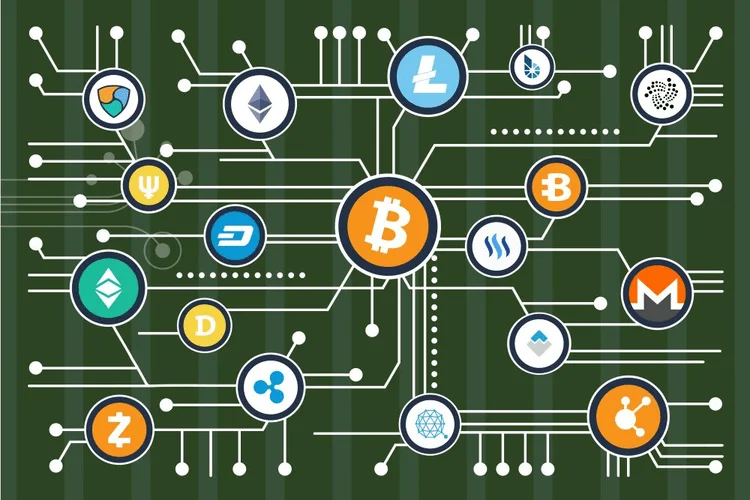
The availability of these nodes is what makes the system distributed and trustworthy. Without nodes, Blockchain is just a database secured with a cryptographic hash. Blockchain technology even allows for automated verification by the network of machines itself. It permits machines to exchange value and introduce the element of discretion in the hands of Machines. The efficiency and speed of transactions can be improved further with smart contracts. Essentially, a smart contract is a self-executing contract with preset terms and conditions.
The databases represent an immutable shared history
To build a simple blockchain app, we are going to use the Ethereum network. Insurance companies are using blockchain and smart contracts to automate manual and paper-intensive processes such as underwriting and claims settlement, increasing speed and efficiency, and reducing costs. Blockchain’s faster, verifiable data exchanges help reduce fraud and abuse. Plus, participants can act sooner in the event of disruptions. In the food industry, blockchain can help ensure food safety and freshness, and reduce waste.

Another important requirement, in this case, would refer to the prototype, which follows the theoretical buildup and the feedback from stakeholders. The prototype should showcase sketches outlining the information architecture, designs, tested products, and mockups. The approval of the prototype is essential for starting work on visual and technical aspects of the application. This site may link to third party websites, as well as products and services offered by third parties. Such products and services are not offered by Stellar Development Foundation (“SDF”), and SDF has no right, title or interest in or to any of these products or services. SDF has no control over, input on, access to, or participation in the offerings of third parties or the decision by a third party to extend a product or service to any person.
Step 8: Finalizing the Blockchain
Drawbacks might include substantial computational power required, little or no privacy for transactions, and weak security. These are important considerations for enterprise use cases of blockchain. These blocks form a chain of data as an asset moves from place to place or ownership changes hands. The blocks confirm the exact time and sequence of transactions, and the blocks link securely together to prevent any block from being altered or a block being inserted between two existing blocks.
- Created a decade ago by the still-anonymous “Satoshi Nakamoto”, Bitcoin is the source and inspiration for basically all blockchain systems.
- Developers have to go through complicated processes of designing nodes and blockchain instances.
- If your business requires a central authority, speed over security, and doesn’t require a database, auditable history or a trustless environment, you might be better served sticking to traditional systems.
- Want to manage royalty payments, track provenance and future transactions, or remove the paperwork from real estate transactions?
- If there is no need for blockchain security measures such as Byzantine Fault Tolerance, such a setup will be more easily exploited.
The backend thus completed, you will need to decide on programming languages, external databases, and servers to use. Programming language can be any of HTML5, CSS, PHP, C#, Java, Javascript, Python, Ruby, Golang, Solidity, Angular JS Nodejs). MySQL and MongoDB are common external databases to choose from too. Every successful blockchain project starts with a business plan. There are more ways than one that firms in either one of these sectors can benefit from blockchain technology. Bitcoin and cryptocurrency may very well be the biggest reasons why blockchain got to the limelight but the technology has since moved beyond that.
Decide on a platform
By streamlining these processes with blockchain, transactions can be completed faster and more efficiently. Documentation can be stored on the blockchain along with transaction details, eliminating the need to exchange paper. There’s no need to reconcile multiple ledgers, so clearing and settlement can be much faster. This trust is built on blockchain’s enhanced security, greater transparency, and instant traceability. Beyond matters of trust, blockchain delivers even more business benefits, including the cost savings from increased speed, efficiency, and automation. By greatly reducing paperwork and errors, blockchain significantly reduces overhead and transaction costs, and reduces or eliminates the need for third parties or middlemen to verify transactions.
